

Registering a car in California is a crucial step for any new or existing vehicle owner, ensuring legal compliance and seamless operation on state roads. However, the process can be fraught with complexity, leaving many individuals unsure where to begin. This comprehensive guide aims to demystify the registration procedure, offering clear, step-by-step instructions tailored to California’s unique requirements. From gathering essential documents to navigating the DMV VIN verification process, we’ll equip you with the knowledge to register your vehicle effortlessly and confidently.
- Prepare Necessary Documents for Car Registration
- Gather Vehicle Information: VIN Verification at DMV
- Complete Application: Register Your Car Online or In-Person
- Pay Registration Fees: Understand Costs and Payment Methods
- Verify Insurance and Title Ownership Before Registration
Prepare Necessary Documents for Car Registration

To register your car in California, preparing the right documents is key. The California Department of Motor Vehicles (DMV) requires a comprehensive set of paperwork to ensure the legitimacy of vehicle ownership and its history. Among these, the Vehicle Identification Number (VIN) verification stands out as a critical step, ensuring that your car matches the details on record. This process can be streamlined with services offering mobile VIN inspection and verification, providing convenience and accuracy in one go.
For instance, many automotive service centers now offer mobile vin verifier apps that allow you to complete this task from the comfort of your home or office. These tools cross-reference your car’s VIN with national databases to confirm its history, including previous owners, maintenance records, and any reported accidents or damages. This is particularly important in California, where a significant number of vehicles on the road are out-of-state imports, requiring extra diligence during registration.
When preparing for your DMV visit, ensure you have gathered essential documents such as proof of ownership (title or bill of sale), current registration from another state, vehicle insurance, and identification (driver’s license or passport). Additionally, have a mobile vin verifier app ready to provide immediate verification of your car’s VIN. This proactive approach can significantly reduce waiting times at the DMV and help you avoid potential issues that might arise from an inaccurate or incomplete application.
Gather Vehicle Information: VIN Verification at DMV
Before registering your car in California, you’ll need to ensure your vehicle meets all legal requirements, a process facilitated by obtaining accurate Vehicle Identification Number (VIN) verification at the Department of Motor Vehicles (DMV). This step is crucial for establishing ownership and ensuring your car complies with state standards. The VIN, a unique code etched into every vehicle’s chassis, serves as its fingerprint, offering invaluable data on make, model, year, manufacturing location, and more.
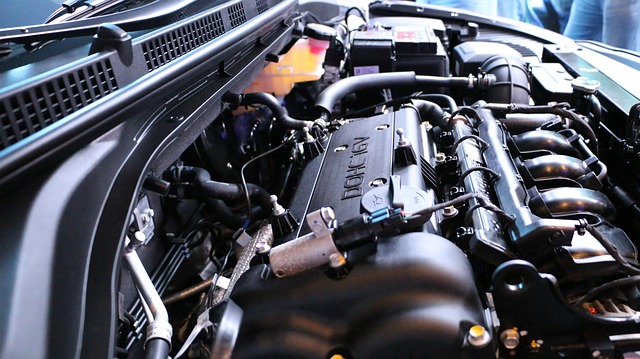
For many California residents, the process begins with gathering essential vehicle information, including—but not limited to—the VIN itself. This can typically be found on documents like your car’s registration or title certificate. However, in cases where these documents are missing or damaged, alternative methods exist, such as checking the driver-side door pillar, engine bay, or consulting your vehicle manufacturer’s website for a look-up tool. Once armed with this critical detail, owners can proceed to schedule a DMV visit or utilize mobile VIN verification services for a more convenient and efficient experience.
Mobile VIN verifiers have emerged as a popular choice in today’s digital landscape, offering real-time inspections conducted by certified professionals. These services not only streamline the process but also provide peace of mind. Using advanced technology, these mobile inspectors can perform a thorough VIN inspection, ensuring accuracy and saving you valuable time. It’s advisable to research reputable providers and understand their specific requirements and turnaround times before selecting one. By leveraging mobile VIN verification, California residents can navigate the registration process with greater ease and efficiency.
Complete Application: Register Your Car Online or In-Person

Registering a car in California involves a thorough process to ensure vehicle safety and compliance with state regulations. One of the critical steps is completing the application for registration, which can be done either online or in-person at a DMV (Department of Motor Vehicles) office. This section provides an in-depth guide on navigating this stage, offering both digital convenience and traditional methods.
When opting for an online approach, individuals can access the DMV’s secure portal, where they’ll find a user-friendly interface to initiate the DMV VIN verification process. Here, you’ll input your vehicle’s unique identification number (VIN), which allows the system to cross-reference data with their records. This digital method streamlines the initial check, making it efficient for busy individuals who prefer remote transactions. After successful online verification, the next step involves gathering physical documents, such as proof of insurance and ownership, for in-person registration at a local DMV office.
For those who select the in-person option, visiting a DMV field office remains a crucial part of the car registration journey. Here, customers can present their vehicle’s VIN inspection documents, ensuring all necessary information aligns with state standards. A mobile VIN verification service might be offered by some offices, where an inspector uses portable equipment to confirm the vehicle’s details, providing convenience for customers on-the-go. This hands-on approach allows for immediate feedback and resolution of any discrepancies, making it ideal for those seeking personalized assistance.
Regardless of the chosen method—online or in-person—completing the application accurately is paramount. It requires providing comprehensive vehicle information, including make, model, year, and identifying numbers from the VIN, ensuring a seamless transition to the registration process and compliance with California’s vehicle regulations.
Pay Registration Fees: Understand Costs and Payment Methods

Registering a car in California involves several steps, with paying registration fees being a crucial aspect. The California Department of Motor Vehicles (DMV) charges fees based on various factors, including the type and age of your vehicle. For most cars, you can expect to pay around $50-$150, depending on whether it’s a new or used car, and if it has undergone recent emissions tests.
One practical step to consider is utilizing a mobile VIN verifier during the registration process. This service allows you to have your vehicle’s Vehicle Identification Number (VIN) verified remotely, saving time and effort. Many mobile vin inspection apps provide accurate, instant readings, ensuring your car’s history is checked thoroughly before registration. This is particularly beneficial for older vehicles or those with a complex history.
Payment methods for California car registration typically include cash, credit cards, and debit cards. It’s advisable to check the DMV’s website for any additional requirements or restrictions, especially regarding payment security and validation. For instance, some financial institutions may offer promotional discounts or rewards when used for DMV payments.
Understanding these costs and payment options is essential to a smooth registration process. It’s recommended to gather all necessary documents, including your vehicle’s title, before proceeding. This ensures you’re prepared and can complete the registration efficiently, avoiding potential delays caused by incomplete paperwork or unexpected fee structures.
Verify Insurance and Title Ownership Before Registration

Before registering your car in California, it’s crucial to ensure two key aspects: proper insurance coverage and clear title ownership. This step is often overlooked but is a critical part of the registration process. Insurance verification involves confirming that your vehicle has the required liability coverage as mandated by the state. You’ll need to provide proof of insurance when registering your car at the California Department of Motor Vehicles (DMV). Most insurance companies can generate this document for you.
Title ownership verification is equally important, especially when buying a used vehicle. The process involves using the Vehicle Identification Number (VIN) to trace the vehicle’s history and ensure there are no outstanding liens or legal issues. This step protects both you and the DMV from potential fraud. You can facilitate this process with a mobile VIN inspection or use a mobile VIN verifier service, which offers convenience and accuracy. These services provide instant results by cross-referencing your VIN with national databases to verify the title’s legitimacy.
For instance, in 2021, over 95% of California car owners chose to register their vehicles online, demonstrating the state’s commitment to streamlined, efficient processes. However, despite digital advancements, paper trails and legal verifications remain vital. A simple mobile VIN verification can save you valuable time and ensure a smooth registration experience. Always remember that proper documentation is key to avoiding delays or rejections when registering your vehicle in California.
Registering a car in California involves several key steps, from preparing necessary documents to completing applications and paying fees. One crucial aspect is ensuring your vehicle’s Identification Number (VIN) is verified by the DMV during the registration process. Before registering, gather essential information about your vehicle and confirm insurance and title ownership. You can choose between online or in-person registration, both of which require accurate data and proper documentation. Understanding these requirements empowers you to navigate the process smoothly and legally.