

Registering a car in California is a crucial step for any new owner, ensuring legal compliance and protecting your investment. However, navigating the process can be daunting, filled with paperwork and bureaucratic hurdles. This comprehensive guide aims to demystify the registration procedure, empowering California|act|CARS act drivers with knowledge. We’ll walk you through each step, from gathering essential documents to utilizing reliable tools like a VIN verifier, ensuring an efficient and stress-free experience. By the end, you’ll be prepared to register your vehicle with confidence.
- Prepare Necessary Documents for Car Registration in California
- Understand California's Vehicle Identification Number (VIN) Verifier Requirements
- Visit a California Department of Motor Vehicles (DMV) Office
- Complete the Car Registration Application Process
- Pay the California Car Registration Fees and Receive Your Plate
Prepare Necessary Documents for Car Registration in California

Before you begin the registration process in California, ensure you have all the required documents ready. Accurately completing your vehicle’s registration relies on precise documentation to verify its history and condition. Key among these documents is the Vehicle Identification Number (VIN) – a unique 17-character code that serves as your car’s fingerprint. Utilize a mobile VIN verifier to access crucial information, including the vehicle’s history, previous owners, and any reported accidents or damage, which can significantly impact registration requirements.
California specifically mandates a comprehensive inspection to validate the vehicle’s condition. This involves checking key components like lights, brakes, tires, and emissions systems. A mobile VIN inspection service not only simplifies this process but also ensures compliance with state regulations. Many services offer on-site or remote inspections, providing convenience and flexibility for California residents. By leveraging these modern tools, you can streamline the preparation phase, making the registration process smoother and less time-consuming.
For instance, consider a scenario where you’re registering an older vehicle. A mobile VIN inspection can help uncover potential issues that may require repairs before registration. Data shows that up to 20% of vehicles fail their initial California emissions tests due to preventable defects. Proactive inspection using these tools can not only prevent delays but also save you from unexpected costs associated with repairing issues discovered during the official registration inspection.
Ensure all documentation is up-to-date and accurate, including proof of insurance, owner’s manuals, and any records related to previous repairs or maintenance. By meticulously preparing these documents, you’ll be well on your way to a seamless car registration experience in California.
Understand California's Vehicle Identification Number (VIN) Verifier Requirements
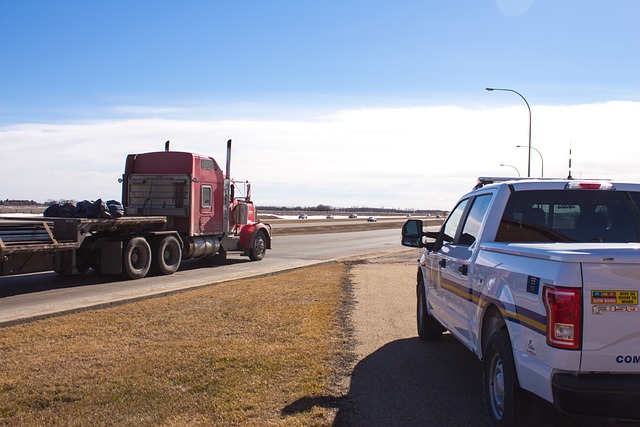
In California, registering a car involves several stringent requirements, with one crucial element being the verification of your vehicle’s Vehicle Identification Number (VIN). This process ensures that each automobile on California’s roads is accurately documented and complies with safety standards. To meet these requirements, you must utilize a reliable VIN verifier, which can be either stationary or mobile. Mobile VIN inspection and verification services have gained popularity due to their convenience and efficiency. These solutions allow drivers to conduct real-time checks from the comfort of their homes or even while on the go.
A key consideration when choosing a VIN verifier is its accuracy and reliability. California’s Department of Motor Vehicles (DMV) recommends using approved tools that meet industry standards to ensure the integrity of the data collected. Mobile VIN verifiers, in particular, should employ advanced technologies such as GPS tracking and secure data transmission protocols to safeguard against tampering or fraud. For instance, some mobile apps offer not only VIN verification but also detailed vehicle history reports, providing drivers with comprehensive insights into their car’s past.
Additionally, convenience plays a significant role in selecting the right VIN verifier. Mobile vin verification services excel in this regard by offering users a seamless experience. After downloading a compatible app or using an online platform, you can simply input your VIN and receive instant results, including vehicle specifications, recall information, and potential red flags. This mobile approach not only saves time but also enhances peace of mind, especially for those who frequently buy or sell vehicles. By adhering to California’s VIN verifier requirements and leveraging modern mobile inspection tools, drivers can confidently navigate the registration process while ensuring their vehicles’ compliance with state regulations.
Visit a California Department of Motor Vehicles (DMV) Office

To register your car in California, a physical visit to a DMV office remains an essential step. This process serves as a cornerstone for vehicle ownership, ensuring compliance with state regulations and providing critical safety measures through verification. When you arrive at a California Department of Motor Vehicles (DMV) location, the first task is often to confirm your Vehicle Identification Number (VIN) using a reliable vin verifier. For instance, many DMVs now accept mobile VIN verifiers, allowing for quicker processing. This step is crucial as it checks the vehicle’s history, including any previous owners, recall notices, and potential fraud, ensuring that you’re registering a legitimate vehicle.
Inside the DMV, locate the appropriate counter for vehicle registration. An agent will guide you through the process, which involves filling out necessary forms, presenting required documents, and paying applicable fees. During this interaction, they may ask to see your mobile VIN verification results, further underscoring the importance of an accurate and accessible VIN history. It’s worth noting that the DMV offers both in-person and online registration options; however, for complex cases or to avoid potential errors, a physical visit with a mobile vin inspection can be beneficial.
After submitting all required documentation, including proof of insurance, identification, and payment, your car will officially be registered in California. This involves updating the state’s database, which is then reflected in the vehicle’s registration certificate and license plate. If you’ve used a mobile VIN verifier during the process, ensure that any digital records are securely stored, as these documents can serve as convenient references for future transactions or maintenance. By following this procedure, California residents not only comply with legal requirements but also contribute to a safer, more transparent automotive environment.
Complete the Car Registration Application Process
Registering a car in California involves several steps, with a focus on accuracy and security. To complete the process, you’ll need to gather essential documents and accurately fill out the Car Registration Application. This includes providing detailed vehicle information such as make, model, year, and unique Vehicle Identification Number (VIN). A crucial step in this process is utilizing a VIN verifier, whether it’s through a traditional inspection or a convenient mobile VIN verification service.
For instance, when conducting a mobile VIN inspection, a licensed professional will use advanced technology to cross-reference your vehicle’s VIN against numerous databases, ensuring its authenticity and history. This is particularly valuable for older vehicles or those with a complex history, as it can reveal previous owners, maintenance records, and potential issues. Many California Department of Motor Vehicles (DMV) approved services offer this mobile VIN verification, making the process more accessible and efficient.
Once your VIN has been verified, you’ll need to compile other necessary documents, such as proof of insurance, vehicle inspection reports (where required), and a valid driver’s license. It’s essential to ensure all information is up-to-date and accurate to avoid delays or complications during the registration process. For instance, data from the California DMV shows that errors in application forms can lead to significant processing times, with some cases taking over two weeks to resolve. To streamline this, consider using digital tools for document management and double-checking your work before submission.
Pay the California Car Registration Fees and Receive Your Plate

To complete the registration process in California, you’ll need to pay the associated car registration fees. These fees vary based on vehicle type, age, and emissions standards. You can pay online through the California Department of Motor Vehicles (DMV) website, by mail, or in person at a local DMV office. It’s essential to ensure accuracy during this step to avoid future issues. Double-check all details and calculations using reliable tools available on the DMV’s site, including a VIN verifier, to confirm your vehicle’s identity and specifications.
Once your payment is processed, you’ll be issued a registration certificate and license plate. In some cases, especially when registering a vehicle for the first time or transferring ownership, you might receive temporary plates. These are typically valid for a specified period, allowing you to drive while awaiting permanent plates. If you prefer quicker service, consider using mobile VIN verification and inspection services that can expedite the plate issuance process by verifying your vehicle’s information remotely.
It’s crucial to keep your registration up-to-date. California DMV provides reminders and notifications for renewal periods. Failure to renew on time may result in penalties and additional fees. Ensure you have a reliable system in place to track these deadlines, such as setting reminders or using mobile apps designed for vehicle management. Properly registered vehicles also benefit from easier insurance processes and better protection under the law.
Registering a car in California involves a straightforward yet crucial process, as outlined in this comprehensive guide. Key takeaways include preparing essential documents, understanding the role of the Vehicle Identification Number (VIN) verifier, and completing the application at a DMV office. The VIN verifier is a critical step, ensuring the vehicle’s history and identity are accurately checked. By following these steps—from gathering necessary papers to receiving your custom license plate—you’ll efficiently navigate California’s car registration process. This authoritative article equips readers with the knowledge to confidently register their vehicles, emphasizing the importance of each stage for a seamless experience.