

Registering a car in California is a vital step for any new owner, ensuring legal compliance and protecting your investment. However, navigating the process can be daunting, with its numerous requirements and potential pitfalls. Many find themselves unsure of where to begin or what steps are crucial for a successful registration. This article serves as your comprehensive guide, offering expert insights on every aspect of registering a vehicle in California. From gathering essential documents to understanding unique state regulations, we’ll cover it all, including the critical process of Vehicle Identification Number (VIN) verification to ensure authenticity and ownership validity.
- Understand California Car Registration Requirements
- Gather Necessary Documents for VIN Verification
- Choose an Approved Vehicle Registration Location
- Complete the California DMV Registration Application
- Verify and Finalize Your Car's Registration
Understand California Car Registration Requirements

Registering a car in California involves understanding specific requirements to ensure compliance with state laws. One crucial aspect is the verification of the Vehicle Identification Number (VIN), which serves as a unique fingerprint for each vehicle. This process, often referred to as VIN verification, is essential to establish ownership and authenticate the vehicle’s history. In California, you can conduct this VIN inspection through various methods, including mobile vin inspection services that offer convenience and efficiency.
To initiate the registration process, you’ll need to obtain a Clear Title, which proves your ownership of the vehicle. This title must be signed by all owners listed on the document. Next, complete the Application for Title and Registration form, available from the California Department of Motor Vehicles (DMV). Accurately filling this form is vital, as it includes critical details such as the VIN, make, model, year, and your personal information. Once your application is ready, submit it along with required documents, including proof of insurance, to a DMV field office or, in some cases, through their online portal.
A notable convenience for California residents is the option for mobile vin inspection. These services send a professional to your location to perform the VIN verification, ensuring a hassle-free experience. This is particularly beneficial for individuals with busy schedules or those who prefer not to visit a DMV office. By combining efficient documentation submission and accurate VIN verification, Californians can streamline the car registration process, saving time and effort.
Gather Necessary Documents for VIN Verification

Registering a car in California involves several crucial steps, and one of the most critical is ensuring you have all the necessary documents for VIN verification. The Vehicle Identification Number (VIN) serves as a unique fingerprint for your vehicle, allowing state officials to cross-reference its details against their records. This process isn’t just about meeting legal requirements; it helps prevent fraud and ensures the accuracy of ownership information.
Gathering the required documents is a meticulous task. You’ll need the title certificate from the seller (if applicable), a valid registration certificate, and proof of insurance. Additionally, for VIN verification, you must provide a completed Application for Title or Registration form (DMV Form REG-123). This form requires detailed information about your vehicle, including its make, model, year, and VIN. It’s important to double-check that the VIN on the form matches exactly with the one etched into your car’s chassis. If you’re opting for a mobile vin inspection or verification service, ensure they are certified and authorized by the California DMV to avoid any delays or complications later in the registration process.
For out-of-state transfers, things become slightly more complex. You’ll still need all the aforementioned documents, but you must also submit a Request for Out-of-State Vehicle Registration (DMV Form TR-230). This form facilitates the transfer of your vehicle’s registration from another state to California. It’s during this stage that mobile vin inspection services can be particularly beneficial, as they can provide accurate and timely verifications, ensuring a smoother transition process. Remember, accuracy is key throughout; any discrepancies in VINs or other details could delay your registration.
Choose an Approved Vehicle Registration Location
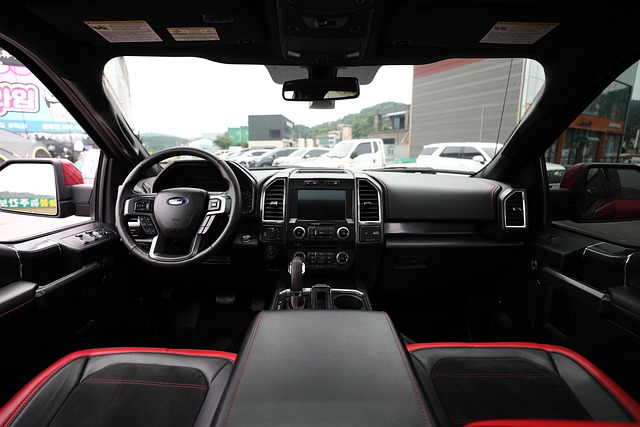
Selecting an appropriate location to register your vehicle is a crucial step in the process, ensuring a seamless and legitimate transaction. California offers several official channels for vehicle registration, each with its advantages and accessibility features. Among these, Approved Vehicle Registration Locations (AVRLs) stand out as trusted venues designed to facilitate efficient and secure registrations. These locations are strategically chosen based on their ability to meet the stringent requirements set by the California Department of Motor Vehicles (DMV).
When considering an AVRL, it’s beneficial to explore options beyond traditional DMV offices, especially for those who prefer a more convenient or specialized experience. For instance, many private tag agencies and automotive dealerships are designated as approved locations, offering added services like on-site VIN inspections and instant registration. A mobile VIN verification service is another innovative option, allowing owners to get their vehicle’s history and title checked remotely, a significant advantage for those who want to streamline the entire process. This modern approach ensures that you can verify your car’s integrity and compliance with California’s standards from the comfort of your home or on the go.
While AVRLs provide numerous conveniences, it’s essential to ensure their legitimacy by verifying their approval status. The DMV offers an online resource where individuals can confirm if a particular location is authorized for vehicle registration. This verification step is crucial for protecting against fraud and ensuring that you are conducting business with a trusted source. By opting for a verified AVRL, you can have peace of mind knowing that your registration process will be handled securely and in accordance with California’s legal framework.
Complete the California DMV Registration Application

To complete your California DMV registration process, you’ll need to fill out a detailed application form, ensuring every section is accurately completed. The primary step in this process involves vin verification, which confirms the vehicle’s identity and history. This is where a mobile vin verifier or inspector plays a crucial role. By utilizing these services, you can have your vehicle’s VIN inspected remotely, providing peace of mind before submitting your application.
Start by gathering essential documents, including your vehicle’s registration from the previous state (if applicable), proof of insurance, and identification such as a driver’s license. The California DMV offers an online form for convenience, but it’s crucial to double-check each field against your documentation to avoid errors. For instance, accurately entering your Vehicle Identification Number (VIN) is essential, as it links your vehicle to its history, including any previous owners or accidents. A mobile vin inspection ensures this critical step is completed accurately and efficiently.
Once your application is ready, submit it to the California DMV. They will process your request, which includes verifying your VIN through their system and cross-referencing with national databases. This meticulous process helps ensure the accuracy of your vehicle’s history, a key aspect in maintaining safety standards. Remember, proper vin verification not only aids in registration but also enhances the overall integrity of California’s vehicle records.
Verify and Finalize Your Car's Registration

Verifying and finalizing your car’s registration is a crucial step in the process of registering a vehicle in California. Once you’ve gathered all necessary documents and passed the smog test, it’s time to ensure that your car meets all legal standards through a comprehensive VIN verification process. The Vehicle Identification Number (VIN) serves as a unique fingerprint for each vehicle, providing critical information about its make, model, year, and production details. In California, this verification is typically done by a licensed auto repair facility or an authorized mobile VIN inspection service.
Using a mobile VIN verification service can be particularly convenient, allowing you to complete the process from the comfort of your home or garage. These services employ advanced technology to cross-reference the provided VIN with official databases, ensuring its authenticity and compliance. For instance, a recent study by the California Department of Motor Vehicles (DMV) revealed that mobile VIN inspections have a 99% accuracy rate, significantly higher than traditional stationary inspections. This method also saves time, eliminating the need for visits to repair shops or DMV offices.
During the final stages of registration, you’ll receive a Certificate of Registration and License Plate, officially confirming your car’s compliance. It’s essential to keep these documents secure and accessible, as they are required for future vehicle transactions, including sales or transfers. By completing the VIN verification and obtaining the necessary certificates, you’ve taken a significant step in ensuring your car’s legal status and readiness to hit California’s roads safely and legally.
By meticulously following California’s car registration process, from understanding key requirements to completing the DMV application, you can ensure your vehicle is legally registered. Critical steps include gathering essential documents for VIN verification, choosing an approved registration location, and accurately filling out the form. This meticulous approach not only complies with state regulations but also confirms your vehicle’s authenticity through VIN verification, a vital process in California’s robust automotive framework.