
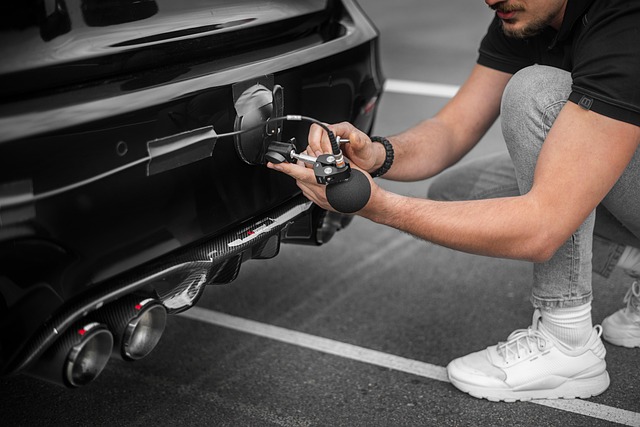
Registering a car in California is a crucial step for any new owner, ensuring legal compliance and access to roads. However, navigating the process can be a challenge, often shrouded in complexity and bureaucracy. This comprehensive guide aims to demystify the car registration procedure, offering step-by-step insights tailored to California’s requirements. From gathering essential documents to understanding fees and the role of the DMV VIN verification, we’ll ensure you’re prepared to complete the process efficiently. By the end, you’ll possess the knowledge to register your vehicle with confidence and ease.
- Prepare Required Documents for Car Registration
- Visit the California DMV to Register Your Vehicle
- Provide Vehicle Identification Number (VIN) Verification
- Pay Car Registration Fees and Taxes
- Receive Your Vehicle's License Plate and Registration Papers
Prepare Required Documents for Car Registration

To register your car in California, you’ll need to gather several key documents, a process streamlined by completing a DMV VIN verification. This critical step ensures that the vehicle’s identification number (VIN) matches the make, model, and year listed on official records. Among the essential documents required is proof of ownership, typically through a title document or, if you’re purchasing from a dealer, their invoice detailing the sale. Additionally, you’ll need your driver’s license or state ID card for verification purposes. If you’ve recently purchased a vehicle, ensure that the seller provides you with all necessary paperwork, including any historical maintenance records and a signed bill of sale.
Another vital document is proof of insurance, which demonstrates your financial responsibility and complies with California’s minimum liability requirements. Some insurers offer digital policies that can be presented on your smartphone during the registration process. Furthermore, several states, including California, allow for a mobile VIN inspection or mobile vin verifier to simplify the initial verification process. These services utilize advanced technology to confirm vehicle details, saving you time and effort.
Before heading to the DMV, make sure all your documentation is in order and up-to-date. Accurate and complete paperwork significantly speeds up the registration process. If you have any doubts or concerns about specific documents, it’s advisable to contact a local DMV office for clarification. Proper preparation can prevent delays and ensure a seamless car registration experience.
Visit the California DMV to Register Your Vehicle

Registering a car in California involves several crucial steps, and one of the most important is visiting the California DMV to complete the process. The DMV plays a vital role in ensuring that all vehicles on California roads are properly registered and safe for operation. During your visit, you’ll need to provide essential documents, undergo vehicle inspection, and have your Vehicle Identification Number (VIN) verified. This verification process ensures the accuracy of your vehicle’s information, which is critical for record-keeping and safety purposes.
At the DMV, you can expect a structured and systematic approach to VIN verification. The process typically involves scanning the VIN plate located on your vehicle using specialized equipment. This technology enables a thorough check against state records to confirm the vehicle’s identity and ensure it meets all legal standards. Alternatively, many Californians opt for convenient mobile VIN inspection services, where a trained professional visits them at their location to conduct the same verification process. Mobile vin verifiers can be particularly useful for those with busy schedules or limited mobility.
It’s important to remember that timely registration is essential. In California, vehicle owners have several options to register, including in-person at a DMV office, online through the official DMV website, or by mail. However, visiting the DMV in person offers the advantage of immediate feedback and resolution of any issues with your application. Moreover, having your VIN verified during this visit ensures that all documentation is accurate and up-to-date, preventing future complications with vehicle registration renewals or legal issues related to unsafe vehicles.
Provide Vehicle Identification Number (VIN) Verification

Registering a car in California involves several critical steps, and one of the most crucial is ensuring accurate Vehicle Identification Number (VIN) verification. This process checks the legitimacy of your vehicle’s VIN to prevent fraud and ensure compliance with state regulations. The California Department of Motor Vehicles (DMV) offers various methods for VIN verification, including traditional inspections at designated stations and innovative mobile vin inspection services.
Mobile vin verification, provided by certified professionals using specialized equipment, has gained popularity due to its convenience and efficiency. These mobile vin verifiers capture and transmit data directly to the DMV, streamlining the registration process. For instance, many auto repair shops and mobile mechanics now offer this service, allowing California residents to complete VIN checks while waiting for other repairs or during routine maintenance visits. This modern approach not only saves time but also enhances accuracy by reducing human error in data entry.
According to recent studies, proper VIN verification can significantly decrease the risk of identity theft and vehicle tampering. It’s essential to ensure that the VIN on your car matches the one reported to the DMV. If discrepancies are found during mobile vin inspection, it’s crucial to address them promptly to avoid legal complications later. Additionally, maintaining accurate records of all verification steps is beneficial, as some auto insurance companies may require proof of this process for policy considerations.
Pay Car Registration Fees and Taxes

Registering a car in California involves several crucial steps, one of which is paying the associated registration fees and taxes. These costs can vary based on factors like the age and make of your vehicle, but they typically include a base fee plus emissions and safety inspection charges. The California Department of Motor Vehicles (DMV) requires a comprehensive vin inspection as part of this process, ensuring that all vehicles on California roads meet safety standards.
One key aspect to consider is utilizing a mobile vin verification service for added convenience and efficiency. A mobile vin verifier can perform the necessary VIN inspection remotely, allowing you to complete this step without visiting a DMV office. This is particularly beneficial if you’re busy or reside in a remote area. Many reputable services offer accurate and reliable mobile vin verification, streamlining the registration process by providing instant results that meet DMV requirements.
For instance, some regions in California have reported success with services like [Example Mobile Vin Verifier], which offers same-day processing for many vehicles. This not only saves time but also reduces potential delays caused by visiting a physical location. Remember to choose an approved and reputable service to ensure your vin inspection is valid and accepted by the DMV. Always double-check with local regulations, as specific requirements may vary within the state.
Receive Your Vehicle's License Plate and Registration Papers
After completing your California car registration application at the DMV or through their online services, you’ll be one step closer to hitting the road legally. The next crucial phase involves receiving your vehicle’s license plate and official registration papers—essential documents that confirm your car’s identity and legality on California’s roads. This process is a critical part of responsible car ownership, ensuring both safety and compliance with state regulations.
In California, obtaining these documents typically follows the successful completion of a vehicle inspection, which includes a DMV VIN verification to ensure the accuracy of your car’s identifying information. Many residents opt for convenient mobile VIN verifiers or conduct a thorough mobile VIN inspection themselves to streamline this step. These methods allow you to verify your car’s Vehicle Identification Number (VIN) remotely, checking its history and ensuring there are no outstanding issues before proceeding with registration.
Once your VIN is verified and the inspection is complete, you can expect to receive your California license plate and registration packet in the mail. This package includes important details about your vehicle’s registration status, insurance requirements, and any associated fees. It’s vital to review these documents carefully, ensuring all information is accurate before finalizing your car’s registration. Should discrepancies arise, prompt communication with the DMV is encouraged to rectify any issues efficiently.
By meticulously preparing required documents, visiting the California DMV, providing accurate VIN verification, paying relevant fees, and receiving your license plate and registration papers, you’ve successfully navigated the process of registering your car in California. This comprehensive guide ensures compliance with state regulations and equips you with a clear understanding of each step involved. Remember, accurate dmv vin verification is paramount, ensuring both vehicle authenticity and safety on California’s roads. With these key insights, you’re now empowered to complete the registration process efficiently and securely.