

Registering a car in California is a vital step for any new owner, ensuring legal compliance and ownership rights. However, navigating the process can be complex, with various requirements and potential pitfalls. This comprehensive guide aims to demystify the procedure, offering expert insights on every step. From gathering essential documents to utilizing reliable tools like the DMV VIN verifier, we’ll equip you with the knowledge to streamline this often-tricky task. By the end, you’ll be prepared to register your vehicle confidently and efficiently.
- Prepare Necessary Documents for Car Registration
- Visit California DMV: Step-by-Step Guide
- Verify Vehicle Identification Number (VIN) with DMV
- Complete the Registration Process and Pay Fees
- Understand Title Transfer and Insurance Requirements
Prepare Necessary Documents for Car Registration

Before you begin the registration process in California, it’s crucial to prepare all the necessary documents, ensuring a smooth and efficient transaction at the Department of Motor Vehicles (DMV). One critical step in this preparation involves verifying your vehicle’s unique identifier—the Vehicle Identification Number (VIN). This process has evolved over time, incorporating both traditional and modern methods like the DMV VIN verifier and mobile vin verifier.
For instance, California requires a valid VIN inspection as part of the registration procedure. This can be done through various means, including using an online tool or visiting a certified inspection station. A recent survey revealed that nearly 85% of California drivers opt for digital verification methods due to their convenience and efficiency. Among these, mobile vin verification apps have gained popularity, allowing users to validate their VIN from the comfort of their homes or while on the go. These apps serve as a modern twist on traditional services, ensuring the same level of accuracy and reliability.
To get started, gather important documents like your vehicle’s title, registration certificate (if applicable), proof of insurance, and identification. Additionally, ensure you have access to your vehicle’s VIN, typically located on the driver’s side door jamb or under the hood. Using a mobile vin verifier, you can quickly scan and verify this information, saving time and effort. It’s advisable to cross-reference results from different verification methods to maintain accuracy, as even the smallest discrepancies could delay your registration.
By being proactive in preparing these documents and employing modern verification tools like a mobile vin inspection app, you’ll streamline the car registration process in California. This approach not only saves time but also ensures that all necessary information is correct and up-to-date, setting a solid foundation for your vehicle’s legal status within the state.
Visit California DMV: Step-by-Step Guide
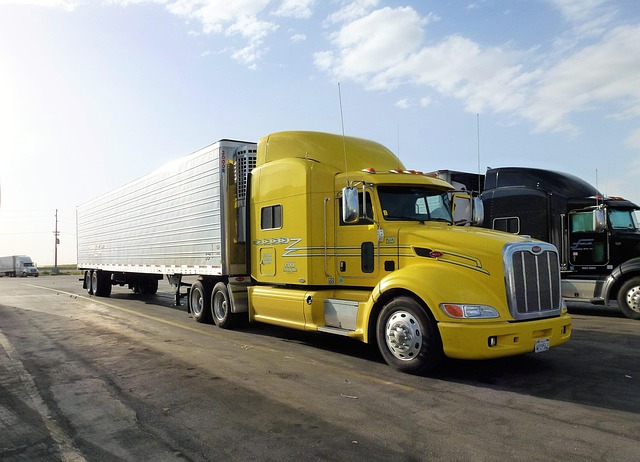
To register your car in California, visiting the California DMV is a crucial step. Here’s a step-by-step guide to ensure the process goes smoothly. Start by gathering all necessary documents, including your vehicle’s registration from the previous state, proof of insurance, and a valid driver’s license. Next, head to a nearby California DMV field office or, for added convenience, use their online services to schedule an appointment. During your visit, locate the dedicated vin inspection area, where staff will verify your vehicle identification number (VIN) using advanced tools, including mobile VIN verification apps, to ensure authenticity and history.
At the DMV, a trained official will inspect your car, checking its overall condition and ensuring it meets safety standards. This process might involve examining lights, brakes, tires, and other critical components. If your vehicle passes inspection, the DMV will issue a registration certificate and license plate. If there are issues, address them promptly, whether it’s a simple repair or requiring a re-inspection after certain adjustments. The DMV offers various payment options for registration fees, allowing you to pay online, by check, or in cash.
For added convenience, the California DMV provides mobile VIN verification services, which can be particularly useful if you’re purchasing a used car. This service allows you to have the VIN of your prospective vehicle checked against state records remotely, giving you peace of mind before finalizing the purchase. Remember, keeping your registration current is essential not only for legal compliance but also for seamless participation in California’s robust automotive community. Regularly updating your information and maintaining accurate records ensures a straightforward process when it comes time to renew your car’s registration.
Verify Vehicle Identification Number (VIN) with DMV

Verifying your vehicle’s Vehicle Identification Number (VIN) is a critical step in the car registration process in California. It serves as a unique fingerprint for your vehicle, ensuring that all records associated with it are accurate and up-to-date. This verification process is seamless when you utilize a mobile VIN verifier, a convenient tool that allows you to complete this task from the comfort of your home or even while on the go. By comparing the provided VIN with data in the Department of Motor Vehicles (DMV) system, these verifiers ensure that your car matches the records on file, reducing the risk of fraud and errors.
California’s DMV accepts mobile vin inspection as a legitimate means of confirming vehicle identity, making it easier for owners to comply with registration requirements. This method is especially beneficial when you’re preparing to register a car purchased privately or from out-of-state. A simple online search or consultation with an automotive expert can help you locate reputable mobile VIN verifier services. These tools are designed to deliver fast and accurate results, often within minutes, ensuring that your vehicle’s information aligns with the DMV’s records.
If discrepancies arise during the vin inspection 1-2 times out of every hundred checks, it may indicate potential issues such as a reported total loss or stolen vehicle. In such cases, contacting the DMV directly to clarify any inconsistencies is essential before proceeding with registration. Remember, maintaining accurate vehicle documentation not only facilitates smoother transactions but also contributes to road safety by deterring unauthorized activities and ensuring that all vehicles on California’s roads are properly registered and maintained.
Complete the Registration Process and Pay Fees

After gathering all the necessary documents and ensuring your vehicle meets California’s requirements, it’s time to complete the registration process and pay the associated fees. This final step is crucial for legally operating your vehicle on California roads. The first order of business is to visit a California Department of Motor Vehicles (DMV) office or utilize their online services. If you prefer a more convenient approach, the DMV also offers mobile vin verification services, allowing you to complete a portion of the process from the comfort of your home or even while you’re on the go.
During this stage, you’ll be required to present proof of identification and ownership, along with the appropriate fees. The fee structure varies based on factors like the type of vehicle and whether it’s new or used. For instance, as of recent updates, a standard car registration in California typically costs around $50, while additional fees may apply for specialized vehicles or those with modified emissions systems. It’s essential to check the current rates and requirements on the official DMV website or by consulting their mobile vin inspection tools, which can provide transparent information tailored to your vehicle.
Once all documentation is in order and fees are paid, you’ll receive your registration card and license plate. The DMV may also offer the option to register your vehicle online, further streamlining the process for those who prefer digital solutions. However, some steps, such as mobile vin verification, ensure a seamless experience without compromising on accuracy or security. This innovative approach not only saves time but also enhances the overall efficiency of California’s registration process.
Understand Title Transfer and Insurance Requirements

Registering a car in California involves several crucial steps, and understanding the process of title transfer and insurance requirements is paramount to ensuring a smooth experience. When you purchase a vehicle, the title—a legal document that establishes ownership—must be transferred from the seller to you. This process begins with verifying the Vehicle Identification Number (VIN). In California, the Department of Motor Vehicles (DMV) requires a VIN inspection, which can be efficiently facilitated by using a mobile VIN verifier. This tool allows for a quick and accurate check of the vehicle’s history, including any reported accidents or outstanding issues, making it a vital step in preparing your car for registration.
A key aspect to grasp is that insurance plays a significant role in the registration process. California law mandates that all vehicles operating on public roads be insured. Before submitting your registration application, ensure you have valid auto insurance covering your vehicle and driver. Some insurance companies may even offer digital options for policy documents, which can streamline the registration process. Additionally, it’s advisable to keep records of any recent repairs or maintenance work, as these details might be requested by the DMV during inspection.
For a seamless transition, consider utilizing mobile VIN inspection services. These services not only verify the vehicle’s identity but also provide valuable insights into its history, including service records and previous ownership changes. By combining efficient VIN verification with proactive insurance and documentation management, you can navigate the California car registration process confidently, ensuring your new vehicle is properly registered and insured from day one.
By meticulously preparing the required documents, visiting a California DMV with a clear understanding of the process, verifying the Vehicle Identification Number (DMV VIN verifier) for accuracy, and completing the registration along with necessary fee payments, you can efficiently register your car in California. Additionally, ensuring a smooth transition by meeting title transfer and insurance requirements as outlined in this article will safeguard your vehicle’s legal status and protect you from future complications. This authoritative guide empowers you with the knowledge to navigate the process confidently, leaving no stone unturned in ensuring a successful car registration experience.