

Registering a car in California is a straightforward process, but understanding the requirements and gathering the right documents is essential. This step-by-step guide will walk you through everything from ensuring your vehicle meets state standards to completing the registration application. We’ll also cover how to use a VIN verifier to check your vehicle’s history, a crucial step before registering. By following these simple steps, you can efficiently register your car in California.
- Understand California Vehicle Registration Requirements
- Gather Necessary Documents for Car Registration
- Visit a California Department of Motor Vehicles (DMV) Office
- Complete the Vehicle Registration Application Process
- Verify Your Vehicle's VIN and Pay Registration Fees
Understand California Vehicle Registration Requirements

Before registering your vehicle in California, it’s crucial to understand the state’s specific requirements. All vehicles operated on California roads must be properly registered and have a valid inspection certificate. This includes cars, trucks, motorhomes, and even motorcycles. The process involves submitting essential documents and ensuring your vehicle meets safety and emissions standards. One critical aspect is verifying the Vehicle Identification Number (VIN), which serves as a unique code for each vehicle.
In California, you can use a mobile VIN verifier to facilitate this step. This service allows you to check the VIN’s authenticity and history remotely, ensuring that the vehicle matches its documented details. A mobile VIN inspection is convenient, especially when dealing with out-of-state purchases or older vehicles that might require additional scrutiny. By combining these modern tools with traditional registration procedures, you can ensure a smooth process while adhering to California’s strict vehicle registration regulations.
Gather Necessary Documents for Car Registration

Before you start the registration process, it’s crucial to gather all the essential documents. In California, this typically includes your vehicle’s Registration Application (Form DVF 140), a completed Title Transfer (if applicable), and proof of insurance. Additionally, you’ll need your Vehicle Identification Number (VIN) for verification purposes. A VIN verifier, whether used online or through a mobile app, can help ensure the accuracy of this crucial identifier.
For out-of-state vehicles, a recent state-issued registration or a valid non-resident registration may also be required. It’s important to double-check with the California Department of Motor Vehicles (DMV) for the most up-to-date list of documents, especially if your vehicle has been recently purchased or imported. Moreover, having a mobile VIN verification service on hand can streamline this process by quickly validating your vehicle’s history and ensuring all details match the DMV records.
Visit a California Department of Motor Vehicles (DMV) Office

To start the registration process for your car in California, visit a local California Department of Motor Vehicles (DMV) office. This is where you’ll initiate the paperwork and ensure all necessary requirements are met. Bring along important documents such as your vehicle’s title, proof of insurance, and identification to streamline the procedure.
One crucial step during this visit involves utilizing a Vehicle Identification Number (VIN) verifier. Many DMV locations in California offer mobile VIN verification services, allowing you to check your vehicle’s history and ensure it meets state standards promptly. This process helps verify the car’s authenticity and prevents fraud, making it an essential part of the registration checklist.
Complete the Vehicle Registration Application Process
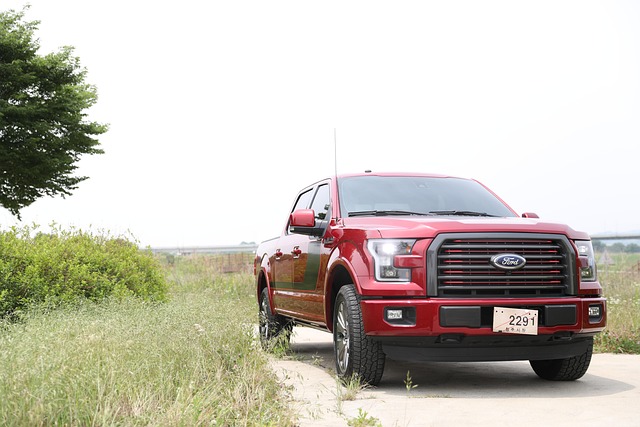
To complete the vehicle registration process in California, you’ll need to fill out a Vehicle Registration Application (Form DV-140). This form requires accurate and up-to-date information about your vehicle, including its make, model, year, and unique VIN number. The VIN (Vehicle Identification Number) is a crucial component during registration, as it allows the California Department of Motor Vehicles (DMV) to verify both the vehicle’s history and identity.
A reliable method for ensuring an accurate VIN inspection is by using a mobile vin verifier or performing a mobile vin inspection before you begin the application process. This step helps streamline registration, as the DMV can cross-reference your provided information against their records, making the overall procedure more efficient and reducing potential delays.
Verify Your Vehicle's VIN and Pay Registration Fees

Before registering your vehicle in California, it’s crucial to verify your car’s Vehicle Identification Number (VIN). This unique 17-character code is a critical component of the registration process. You can easily check the VIN using a vin verifier or online tools provided by the California Department of Motor Vehicles (DMV). Inputting your vehicle’s details will yield essential information, including its make, model, and year. This step ensures you have accurate data for a seamless registration process.
Once your VIN is verified, you’ll need to pay the required registration fees. The cost varies based on several factors, such as the type of vehicle, age, and emission standards. California offers various payment methods, including online portals and check payments. Consider using a mobile vin verifier to streamline the process, especially if you’re already familiar with its benefits, like convenience and fast access to your vehicle’s history.
Registering a car in California involves understanding specific requirements, gathering essential documents, visiting a DMV office, completing an application process, and verifying your vehicle’s VIN (Vehicle Identification Number). This straightforward procedure ensures your vehicle complies with state laws, allowing you to legally operate it on California roads. Remember to keep your registration up-to-date for safety and legal reasons, using reliable tools like a VIN verifier to stay accurate.