

Registering a car in California is a necessary step for all vehicle owners, ensuring legal compliance and access to public roads. However, navigating the process can be daunting, given the numerous requirements and paperwork involved. This comprehensive guide aims to demystify the registration procedure, empowering California drivers with clear, concise instructions. We’ll delve into every crucial aspect, including gathering essential documents, understanding fee structures, and, notably, the critical step of DMV VIN verification—a meticulous process ensuring vehicle authenticity. By the end, you’ll be equipped to register your car with confidence.
- Gather Necessary Documents for Car Registration
- Visit Your Local California DMV Office or Website
- Prepare for DMV VIN Verification Process
- Complete Vehicle Information and Fees Payment
- Receive Your Registered Vehicle Title and Tags
Gather Necessary Documents for Car Registration

Before you can register your car in California, you’ll need to gather several essential documents. This process is crucial for ensuring compliance with state regulations and verifying vehicle ownership. Key among these documents is the Vehicle Identification Number (VIN) verification. The California Department of Motor Vehicles (DMV) requires a valid VIN inspection as part of the registration process. This can be done through traditional methods, such as visiting a local DMV office, or via a mobile vin verifier for added convenience.
For instance, many car dealerships offer on-site vin inspections at the time of purchase, providing a seamless experience for new vehicle owners. Alternatively, you can utilize online services that facilitate mobile vin inspection. These services send a trained professional to your location, whether it’s your home or workplace, to conduct a thorough VIN check using specialized equipment. This method is particularly useful for those who prefer not to visit a DMV branch during peak hours.
During the vin inspection process, the verifier will cross-reference the provided VIN with records from various sources, including national and local databases, to ensure its authenticity. They’ll also verify key details about the vehicle, such as its make, model, year, and previous ownership history. This step is vital to prevent fraud and ensure that you’re registering a legitimate vehicle. Once your VIN has passed scrutiny, you can proceed with the rest of the registration process, which includes submitting necessary forms and paying the required fees.
Visit Your Local California DMV Office or Website

To register your car in California, one of the essential steps is to conduct a DMV VIN verification. This process ensures that your vehicle’s identifying number (VIN) matches the details on record and aids in preventing fraud. You can achieve this by visiting either your local California Department of Motor Vehicles (DMV) office or utilizing their official website. The latter option, for instance, allows you to start the registration process online, then finish it at a designated DMV center with the required documents.
When opting for a mobile VIN verification service—a convenient alternative—a specialist will visit your location to perform the inspection. This is particularly useful if you have a hard-to-reach vehicle or are unable to visit a DMV office. These services, like mobile VIN inspectors, use specialized tools to cross-reference your VIN with national databases, ensuring its authenticity and providing immediate results. It’s advisable to verify that the service provider is reputable and certified to conduct such inspections to guarantee accurate and reliable outcomes.
For those choosing the traditional approach, visiting a DMV office entails gathering essential documents—including proof of identity, vehicle ownership, and insurance—before arriving. During your visit, a DMV representative will guide you through the verification process, which includes entering your VIN into their system to match it with manufacturer records. This meticulous step ensures that your car is compliant with California’s registration standards before finalizing the registration paperwork.
Prepare for DMV VIN Verification Process

Before you register your car in California, preparing for the DMV VIN verification process is crucial. This involves ensuring your vehicle’s identification number (VIN) is accurate and accessible, as it serves as a unique code that identifies your car’s make, model, year, and specifications. A common pitfall many drivers encounter is not having their VIN readily available, leading to delays during the registration process. To streamline this, consider utilizing mobile VIN verification services, which allow you to capture and transmit your vehicle’s VIN digitally, making it easily accessible on your smartphone or tablet.
During the DMV visit, a qualified inspector will conduct a thorough VIN inspection as part of their routine procedures. This step is vital to guarantee that the information on your registration documents aligns with your car’s actual details. In California, mobile VIN verifiers can play a significant role in simplifying this process. For instance, these tools can instantly cross-reference your VIN against national databases, ensuring its validity and providing instant access to detailed vehicle history reports, including any previous accidents or outstanding recalls.
To maximize efficiency, it’s advisable to gather necessary documents before heading to the DMV. This includes proof of ownership, insurance, and identification. Additionally, having a mobile VIN verifier app installed on your smartphone can save valuable time. With these tools, you can quickly verify your VIN at home or even while waiting in line at the DMV, ensuring a smoother registration experience overall. Remember, an organized approach to this initial verification step will contribute to a stress-free car registration process in California.
Complete Vehicle Information and Fees Payment
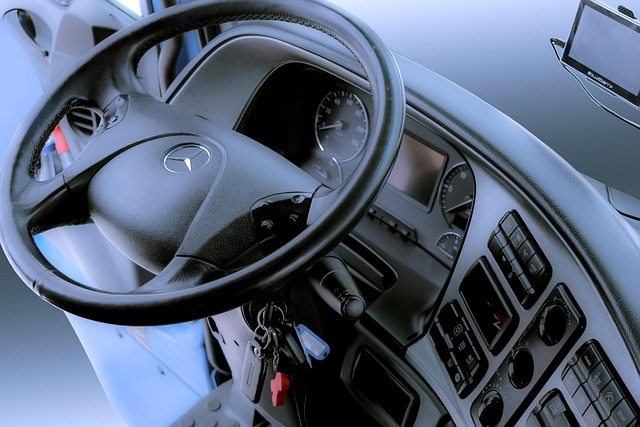
Completing the vehicle information and fees payment phase during your California car registration process is crucial. This involves providing precise details about your vehicle, including its make, model, year, and unique Vehicle Identification Number (VIN). Accurate VIN entry is paramount; it enables the Department of Motor Vehicles (DMV) to conduct a successful VIN verification, ensuring the vehicle’s authenticity and historical maintenance records. In some instances, you might consider opting for a mobile VIN inspection or verification service, which can be particularly beneficial if you’re registering an older or rare model, ensuring all data is correct from the start.
To facilitate this process, gather essential documents, such as your vehicle registration certificate (if transferring ownership), proof of insurance, and a valid driver’s license. Be prepared to enter specific details like color, VIN, and any unique features. The DMV offers various payment options, including online, by mail, or in-person, each with its own set of requirements and turnaround times. Online payments are generally the fastest and most convenient, allowing you to complete the transaction from the comfort of your home. Ensure all fees are paid in full before submitting your application.
California has specific regulations regarding vehicle registration fees, which can vary based on factors like vehicle age and emission standards. For instance, older vehicles might incur additional fees for smog testing. It’s advisable to check the DMV’s official website or contact a local office for up-to-date fee structures. Once all information is accurately provided and fees are settled, you’ll receive your registration documents, officially registering your vehicle in California.
Receive Your Registered Vehicle Title and Tags

After completing the registration process at the California Department of Motor Vehicles (DMV), including providing necessary documentation and passing inspections, you’ll receive your registered vehicle’s title and tags. This crucial step marks the official recognition of your car by the state, entitleling you to use it on public roads legally. The DMV will issue a weight certificate|certificate|weight of ownership, commonly known as the vehicle title, which details vital information about your car—including its make, model, year, and unique Vehicle Identification Number (VIN).
Along with the title, you’ll acquire license plates, or ‘tags’, that must be displayed on your vehicle at all times while operating it within California. These tags serve as a constant reminder of your registration status and are essential for law enforcement to verify your car’s legitimacy on the road. While traditional DMV visits for this process are common, modern conveniences like mobile VIN verification through approved mobile apps or services can streamline the experience. A mobile vin verifier can perform a digital inspection, cross-referencing your vehicle’s VIN with state records to ensure all details match, thereby enhancing accuracy and saving time.
Properly obtaining and securing these documents is paramount for continued legal operation of your vehicle in California. Remember that even minor errors or omissions during this phase could lead to registration issues or penalties down the line. Always double-check information, utilize available resources like mobile VIN inspection tools, and maintain thorough records to ensure a hassle-free ownership experience.
Registering a car in California involves several key steps, from gathering essential documents to completing the DMV VIN verification process. By ensuring you have all necessary paperwork ready, visiting your local California DMV office or website, accurately providing vehicle information, and paying associated fees, you can efficiently obtain your registered vehicle title and tags. The article’s insights empower readers to navigate this process with confidence, demonstrating a thorough understanding of the requirements for car registration in California.