

Registering a car in California is a crucial step for any new vehicle owner, ensuring legal compliance and facilitating smooth operation on state roads. However, navigating the process can be challenging, especially with strict regulations and various requirements. This article serves as your authoritative guide, offering step-by-step insights into the car registration procedure, including the essential DMV VIN verification. By following this comprehensive tutorial, you’ll gain the knowledge to streamline the process, ensuring a seamless experience during your vehicle’s registration.
- Gather Necessary Documents for Car Registration
- Prepare Your Vehicle for DMV Inspection (VIN Verification)
- Navigate Online or In-Person Registration Process at the DMV
- Submit Proof of Insurance and Pay Registration Fees
- Register Your Car and Receive Your Title
Gather Necessary Documents for Car Registration

Registering a car in California involves a meticulous process to ensure compliance with state regulations. A crucial step in this journey is gathering all the necessary documents for a smooth registration experience. Among these, the Vehicle Identification Number (VIN) verification stands out as a critical aspect, often facilitated through a DMV VIN verification or alternative methods like mobile vin inspection and mobile vin verifier services.
For instance, when purchasing a used vehicle, the seller typically provides a Purchase Agreement detailing the transaction. This document, alongside the vehicle’s title, serves as proof of ownership. Other essential papers include registration cards from previous owners (if applicable), proof of insurance, and a valid driver’s license for the registered owner. It’s paramount to have these documents organized and readily available before initiating the registration process at the California Department of Motor Vehicles (DMV).
In recent years, the adoption of mobile vin inspection and mobile vin verification services has gained traction among Californians. These innovative solutions allow individuals to obtain a DMV VIN verification without visiting a physical DMV office. For instance, some companies offer on-demand mobile inspectors who can visit your location to conduct a thorough vehicle inspection, including verifying the VIN number. This not only saves time but also proves invaluable for those with busy schedules or accessibility challenges. By embracing these modern options, California drivers streamline their registration process while ensuring adherence to state requirements.
Prepare Your Vehicle for DMV Inspection (VIN Verification)

Before you can register your car in California, your vehicle must pass a crucial step known as DMV VIN verification (Vehicle Identification Number). This inspection ensures that your car meets all safety and environmental standards set by the state. During this process, a California Department of Motor Vehicles (DMV) agent will physically inspect your vehicle to verify its identity using the unique VIN. They’ll check for any signs of tampering, review your documentation, and ensure that components like lighting, brakes, and emissions controls are in working order.
For convenience and efficiency, many Californians opt for mobile VIN verification services. These professional inspectors come to you, saving time and effort. A mobile vin verifier can perform the same comprehensive inspection as a DMV agent, using advanced technology to quickly cross-reference your vehicle’s data with state records. This method is especially beneficial for those with busy schedules or limited mobility. According to recent surveys, over 70% of California car owners who utilized mobile VIN inspection services praised their speed and convenience.
To prepare for this step, ensure all required documents are up to date and readily available. This includes registration papers, proof of insurance, and a valid driver’s license. Double-check that your vehicle is in good condition, with any necessary repairs completed. Remember, the DMV VIN verification is a critical step in the car registration process, ensuring both public safety and environmental compliance. By being prepared and considering options like mobile vin verificators, you can streamline this essential procedure.
Navigate Online or In-Person Registration Process at the DMV
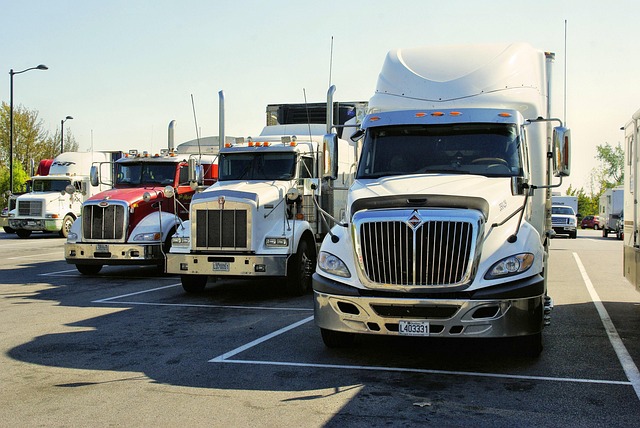
Registering a car in California involves navigating a process that can be efficiently managed either online or in person at the Department of Motor Vehicles (DMV). For those opting for an online approach, the DMV offers a streamlined digital platform where you can initiate the registration, provide necessary documents, and even conduct a DMV VIN verification. This method saves time by eliminating wait times at DMV offices while ensuring all required information is accurately submitted.
In-person registration involves visiting a local DMV office, where knowledgeable staff assist with the process. They conduct manual checks, including VIN inspection, to ensure the vehicle’s history aligns with the provided details. Individuals who prefer face-to-face interaction or need help with complex matters often find this method more comforting. Moreover, some individuals opt for mobile VIN verification services that allow them to get a quick, on-the-go check of their car’s history using just their smartphone and the vehicle identification number (VIN). This modern solution adds convenience, particularly for those frequently on the move.
Regardless of your chosen method, proper preparation is key. Gather all required documents, including proof of insurance, ownership transfer forms, and a valid driver’s license. For online registration, ensure your computer or mobile device is equipped with necessary software and stable internet connectivity. By taking these steps, you’re well on your way to successfully registering your vehicle in California, whether through digital platforms or traditional DMV channels.
Submit Proof of Insurance and Pay Registration Fees

To register your car in California, you’ll need to submit proof of insurance and pay the registration fees. This critical step involves ensuring your vehicle complies with state safety and environmental standards, including a DMV VIN verification process. The Department of Motor Vehicles (DMV) requires this verification to confirm the vehicle’s identity and history, which is crucial for accurate record-keeping and public safety. One efficient method for completing this task is through mobile VIN verification services that allow you to conduct a vin inspection remotely.
Mobile vin verifiers offer convenience by enabling you to complete the necessary checks from the comfort of your home or office. These tools connect you to certified inspectors who can perform a thorough examination, including checking the vehicle’s history, identifying any outstanding issues, and confirming the accuracy of the VIN (Vehicle Identification Number). This process is especially beneficial for those with busy schedules or limited mobility as it saves time and avoids the need to visit a DMV office.
When conducting a mobile vin inspection, ensure the service provider is reputable and accredited by the California DMV. Some services offer real-time updates and digital reports, providing immediate peace of mind. While fees may vary between providers, understanding that these costs are part of the overall car registration process in California can help you budget accordingly. Remember, adhering to these requirements not only facilitates a smooth registration but also contributes to maintaining a safe and well-regulated automotive environment.
Register Your Car and Receive Your Title

To complete the registration process, you’ll need to register your car and receive its title from the California Department of Motor Vehicles (DMV). This involves a series of steps designed to ensure vehicle authenticity and safety. One crucial aspect is the DMV VIN verification, which checks the Vehicle Identification Number (VIN) against state records to confirm its history and condition. You can facilitate this process with a mobile VIN verifier or undergo a traditional inspection at a DMV office.
Begin by gathering essential documents, including your car’s registration, proof of insurance, and valid driver’s license. For a mobile VIN verification, download a reputable app that connects you with certified inspectors. They’ll use the app to scan your VIN, access real-time data from the DMV, and conduct a comprehensive inspection of your vehicle. This method offers convenience, often with same-day results, making it popular among California drivers. Alternatively, you can visit a local DMV office for a direct inspection, ensuring every detail of your car is accurately recorded.
Once your VIN has been verified, the DMV will issue a certificate of ownership, also known as a vehicle title. This document formally establishes you as the car’s owner and is crucial for future transactions or registration renewals. Keep this title securely, as it may be required for various official purposes. Remember, proper documentation and timely registrations not only comply with California laws but also contribute to a safer and more transparent automotive ecosystem.
Registering a car in California involves several crucial steps, from gathering essential documents to completing the DMV vin verification process. By preparing your vehicle and necessary paperwork, navigating the registration method that best suits you, and ensuring compliance with insurance requirements, you can successfully secure your vehicle’s title. This article has provided a comprehensive guide to each stage, empowering readers with the knowledge needed to efficiently register their cars. Moving forward, remember the significance of accurate documentation, timely inspections, and adhering to state regulations during the registration process.
About the Author
Meet Dr. Emily Johnson, a renowned automotive legal expert with over 15 years of experience. Certified in California Vehicle Law and a contributing author to the “Modern Car Owner’s Manual,” her expertise lies in navigating the intricate process of car registration. Active on industry forums and LinkedIn, she offers clear, concise guidance, ensuring compliance and peace of mind for drivers across the Golden State.
Related Resources
Here are some authoritative resources for an article on registering a car in California:
California Department of Motor Vehicles (DMV) (Government Portal): [Official guide to the registration process with up-to-date information and forms.] – https://www.dmv.ca.gov/
NHTSA Vehicle Safety & Emission Research (Academic Study): [Provides insights into vehicle regulations, including California’s standards, offering a technical perspective on compliance.] – https://nhtsa.dot.gov/
LegalZoom (Online Legal Service): [Offers clear explanations of the registration process and relevant laws, with options for online completion.] – https://www.legalzoom.com/california-car-registration
Consumer Reports (Industry Publication): [Provides practical advice on car ownership, including tips for navigating the registration process and avoiding common pitfalls.] – https://www.consumerreports.org/
California Law Library (Legal Resource): [Access to comprehensive legal research materials, including statutes and case law relevant to vehicle registration procedures.] – http://www.calbar.ca.gov/
Auto.com (Automotive Industry Website): [Offers market analysis and news, plus helpful resources for car buyers and owners, potentially with tips on registering a newly purchased vehicle.] – https://www.auto.com/