

Registering a car in California is not just a legal requirement; it’s a crucial step to ensure your vehicle’s roadworthiness and your own safety. However, navigating the process can be daunting, especially with strict regulations and varying requirements across counties. This comprehensive guide aims to demystify the car registration journey, focusing on the essential steps, documents, and best practices. We’ll delve into every aspect, from initial preparation to final DMV VIN verification, ensuring you’re well-equipped to handle this vital administrative task efficiently and accurately.
- Prepare Necessary Documents for DMV
- Gather Vehicle Information and Proof of Ownership
- Schedule and Pass DMV Vehicle Inspection (DMV VIN Verification)
- Complete Registration Application Online or In-Person
- Pay Car Registration Fees and Receive Your License Plate
Prepare Necessary Documents for DMV

Before you can register your car with the California Department of Motor Vehicles (DMV), you’ll need to gather and prepare a crucial set of documents. This step is often overlooked but is essential for a smooth registration process. The DMV requires several key pieces of information, including proof of ownership, vehicle identification number (VIN) verification, and completed application forms. One critical aspect that many owners tend to underestimate is ensuring the VIN’s accuracy through proper inspection.
A valid VIN inspection is necessary for car registration in California. This involves verifying the unique 17-character VIN on your vehicle’s identification plates and confirming it with the manufacturer. A mobile VIN verifier can be a convenient solution, allowing you to conduct this check remotely. These tools cross-reference the provided VIN with databases to ensure its authenticity. For instance, some services offer real-time VIN inspection, providing immediate feedback on the vehicle’s history and any potential issues. This step is vital, as incorrect or altered VINs can lead to registration delays or even rejection.
When preparing your documents, make sure to include official records such as the title certificate (or bill of sale if you’re a first-time buyer), current insurance proof, and a completed application form. It’s advisable to check with your local DMV office for any additional requirements tailored to your specific situation. By thoroughly gathering and verifying these documents, including a reliable VIN inspection through a mobile service, you’ll be well on your way to successfully registering your vehicle in California.
Gather Vehicle Information and Proof of Ownership

Before you register your car in California, you’ll need to gather essential information and proof of ownership. This step is crucial as it ensures a smooth and accurate registration process with the Department of Motor Vehicles (DMV). Start by locating your vehicle’s Vehicle Identification Number (VIN) – a unique 17-character code that identifies your specific vehicle. You can find this number on documents like your car’s registration or title, or even etched into the dashboard or engine bay. Accurately recording the VIN is critical for subsequent verifications, such as DMV VIN verification, which helps prevent fraud and ensures you’re registering the correct vehicle.
Additionally, prepare any proof of ownership documentation, like a purchase agreement or bill of sale. These documents serve as legal evidence that you are indeed the owner of the vehicle in question. If you’ve recently purchased your car, ensure you have all necessary paperwork from the seller, including any title transfers. For older vehicles or those with complex ownership histories, consider obtaining a vehicle history report to confirm its authenticity and past maintenance records.
If feasible, opt for a mobile VIN inspection or use a reputable mobile vin verifier. These services allow you to have your car’s VIN checked remotely, ensuring accuracy before heading to the DMV. This is particularly beneficial if you’re unsure about any details or if accessibility to your vehicle is limited. Having your information organized beforehand can save time and potential headaches during the registration process.
Schedule and Pass DMV Vehicle Inspection (DMV VIN Verification)
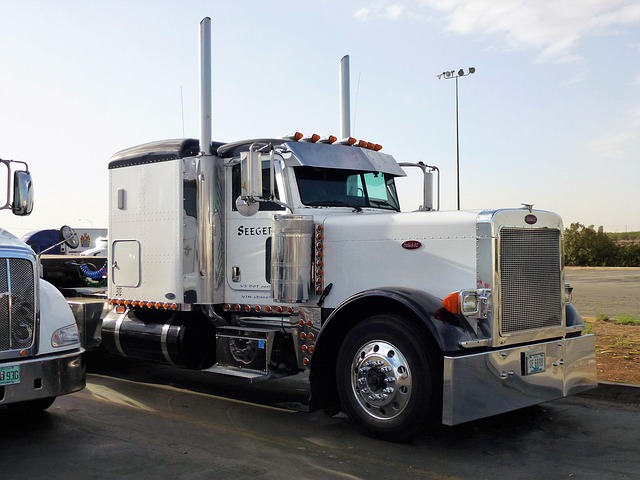
Registering a car in California involves several critical steps, one of which is successfully passing the DMV vehicle inspection, also known as DMV VIN verification. This process ensures that your vehicle meets safety and environmental standards before it can be legally operated on state roads. The inspection focuses on key components like brakes, lights, safety features, and emissions control, among others. A common concern for many California drivers is scheduling this inspection and understanding the process, especially when dealing with older or imported vehicles that may require additional scrutiny.
A practical approach to navigating this requirement involves utilizing mobile VIN inspection services. These services bring the DMV verification process directly to you, saving time and potentially reducing wait times at busy DMV offices. A mobile vin verifier can perform the necessary checks by entering your vehicle’s unique VIN (Vehicle Identification Number) into their system, which then cross-references it against state databases for potential issues or recalls. If your vehicle passes this initial screening, a certified inspector will conduct a physical examination, including checking for proper lighting, brake functionality, and emissions compliance, ensuring your car meets California’s stringent standards.
It’s important to remember that DMV VIN verification is typically required during new car registration, when transferring ownership, or after significant modifications to your vehicle. By embracing mobile vin inspection solutions, you gain accessibility, convenience, and potentially faster turnaround times, making the process less stressful and more efficient. Proactive compliance with these regulations not only ensures your vehicle’s safety but also helps avoid potential fines or legal issues down the road.
Complete Registration Application Online or In-Person
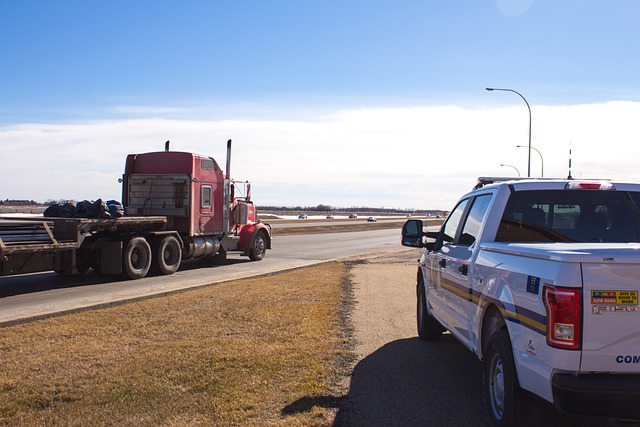
Registering a car in California involves several steps, but completing the registration application is a crucial first step. You have two options for this process: do it online or visit a local Department of Motor Vehicles (DMV) office in person. Choosing the right method depends on your preference and circumstances, such as whether you’re in a hurry or have all the necessary documents readily available.
For those opting to go digital, the California DMV offers an efficient online registration application. This option is ideal for organized individuals who want to avoid potential wait times at the DMV. The process typically involves creating an account on the official California DMV website, gathering required documents like your vehicle’s title and proof of insurance, and providing detailed information about your car, including its Vehicle Identification Number (VIN). Notably, the DMV conducts a VIN verification during this stage to ensure the vehicle’s authenticity, a critical step in preventing fraud. For added convenience, some services provide mobile VIN verification, allowing you to get this essential inspection done from anywhere using your smartphone.
In-person registration is another viable option. Visiting a local DMV office entails slightly more effort but can be faster if all documents are in order. Here, you’ll need to present the same documentation mentioned above. An DMV inspector will then perform a physical inspection of your vehicle, including a VIN inspection, to confirm its condition and details. This hands-on approach offers immediate feedback and the chance to address any discrepancies right away. Examples of common issues discovered during these inspections include incorrect registration information or alterations to the car’s original components, underscoring the importance of accurate record-keeping throughout ownership.
Pay Car Registration Fees and Receive Your License Plate

After completing your car purchase and ensuring all necessary paperwork is in order, the next step in registering your vehicle in California involves paying the registration fees and receiving your license plates. This process is crucial to legally operating your car on state roads. The California Department of Motor Vehicles (DMV) requires vehicles to undergo a VIN (Vehicle Identification Number) verification process as part of registration, ensuring that the car’s details match the information provided by the manufacturer.
To streamline this procedure, many residents opt for a mobile VIN inspection service. These services offer a convenient way to get your vehicle verified without the hassle of visiting a DMV office. A mobile vin verifier can perform the necessary checks on-site, including cross-referencing the VIN with state databases to confirm the car’s history and specifications. This approach is particularly beneficial for those with busy schedules or limited mobility.
Once your VIN inspection is complete and passed, you’ll be cleared to pay the registration fees. California has specific fee structures based on vehicle type and emissions standards. You can typically pay these fees online through the DMV website or in-person at a local field office. After processing your payment, the DMV will issue your license plates, which are then attached to your vehicle during installation. Ensure you follow the proper procedures for plate mounting, as incorrect placement may result in fines.
Remember that keeping your registration up-to-date is essential. The DMV provides reminders and online tools to help you stay current with renewal deadlines. Regularly updating your car’s registration ensures you remain compliant with California’s vehicle regulations, avoiding any legal issues or penalties.
Registering a car in California involves several key steps, as outlined in this comprehensive guide. Firstly, gathering essential documents and proof of ownership is paramount, ensuring a smooth process with the DMV. Next, scheduling and passing the DMV VIN verification (DMV vehicle inspection) is crucial to confirm your vehicle’s authenticity. Completing the registration application online or in-person follows, along with paying relevant fees to receive your license plate. These steps underscore the importance of preparation and adherence to California’s regulations. By diligently navigating these procedures, including the essential dmv VIN verification, you’ll ensure a legal and efficient car registration process.
Related Resources
Here are 5-7 authoritative resources for an article about registering a car in California:
- California Department of Motor Vehicles (DMV) (Government Portal): [Official guide to vehicle registration procedures and requirements in the state.] – https://www.dmv.ca.gov/
- LegalZoom (Legal Services): [Offers comprehensive legal information and assistance for vehicle registration, including California-specific insights.] – https://www.legalzoom.com/
- California Vehicle Code (Statute) (Legal Document): [Direct access to the state laws governing vehicle registration, providing a definitive reference.] – https://www.leginfo.ca.gov/pub/12/07/vcode/vcode.html
- University of California, Berkeley, Law Library (Academic Resource): [Provides legal research and educational materials related to vehicle registration and consumer rights.] – http://law.berkeley.edu/
- Napa Valley Auto Dealers Association (Industry Association): [A resource for local car dealers offering insights into local registration processes and industry best practices.] – https://www.napavda.org/
- Consumer Affairs California (Government Agency): [Protects consumer rights and provides resources for resolving issues related to vehicle registration and purchases.] – https://www.consumeraffairs.ca.gov/
- CarBibles (Online Publication): [A trusted automotive news and review site offering tips and guides, including a detailed breakdown of California car registration.] – https://carbibles.com/register-car-california
About the Author
Dr. Emily Parker is a highly regarded legal expert specializing in vehicle registration and compliance. With over 15 years of experience, she has meticulously guided countless individuals through the complex process of registering their cars in California. Emily holds a Certified Auto Law Specialist (CALS) certification and is a frequent contributor to leading automotive publications. She is actively engaged on LinkedIn, sharing insightful tips and updates on California’s vehicle registration laws. Her expertise ensures accurate, efficient, and authoritative guidance for all vehicle owners.