

Registering a car in California is a vital step for any new owner, ensuring legal compliance and facilitating smooth operations on the state’s roads. However, navigating the process can be daunting, with its many requirements and potential pitfalls. This article serves as your comprehensive guide, equipping you with the knowledge to successfully register your vehicle in the Golden State. We’ll walk you through each step, from gathering essential documents to understanding fees, and even emphasize the importance of VIN verification for accurate and secure transactions.
- Prepare Necessary Documents for Car Registration
- Visit Your Local California Department of Motor Vehicles (DMV)
- Complete the Application Process: Step-by-Step Guide
- Understand Vehicle Identification Number (VIN) Verification Requirements
- Finalize and Obtain Your California Registration Certificate
Prepare Necessary Documents for Car Registration

To register a car in California, preparing the necessary documents is a crucial step that demands meticulous attention to detail. Among these, the Vehicle Identification Number (VIN) verification stands out as an essential component, ensuring the vehicle’s authenticity and history are accurately represented. This process involves a thorough VIN inspection, which can be conducted through various means, including mobile vin verification services that offer convenience and speed.
For instance, many California Department of Motor Vehicles (DMV) branches now permit mobile vin inspections, allowing you to verify your car’s VIN without visiting a physical location. This is particularly beneficial for individuals with busy schedules or those who live in remote areas. By employing these modern solutions, you can streamline the initial registration process and avoid potential delays caused by traditional methods.
When preparing your documents, ensure that your VIN is accurate and up-to-date. This number is unique to each vehicle and serves as a digital fingerprint, providing valuable insights into its history, including previous owners, accident records (if any), and maintenance records. Accurate VIN verification not only helps in the registration process but also plays a critical role when insuring or selling your vehicle later on.
It’s important to gather all necessary documents, such as proof of ownership, valid identification, and current insurance paperwork. Additionally, some entities may require a clean driving record or smog test results, depending on the age and type of vehicle. By proactively gathering these materials and ensuring accurate VIN verification through mobile options where available, you can navigate the car registration process in California with confidence and efficiency.
Visit Your Local California Department of Motor Vehicles (DMV)

When registering your car in California, one of the crucial steps is to visit your local California Department of Motor Vehicles (DMV) office. This personal interaction is essential for ensuring that all documents are in order and that your vehicle meets safety standards. The DMV provides a comprehensive service for both new and used car owners, guiding them through the registration process efficiently.
Upon arrival at the DMV, you’ll need to present several key documents, including proof of identity, proof of residency, and the certificate of title (if applicable). It’s important to verify your Vehicle Identification Number (VIN) during this visit, as it plays a pivotal role in tracking vehicle history and ensuring authenticity. The process typically involves a VIN inspection or verification, which can be conducted on-site by DMV staff using specialized tools. This step is particularly significant when purchasing a used car, as it helps to prevent fraud and ensures the vehicle’s legal status.
Additionally, some California DMV offices offer mobile VIN inspection services, allowing for greater flexibility. These mobile units are equipped to perform VIN verifications on-the-go, which can be beneficial for individuals who have difficulty visiting a physical office or for those in remote areas. This modern approach streamlines the registration process, aligning with the state’s commitment to providing efficient and accessible services to all residents. By ensuring accurate VIN verification during your visit, you’re not only securing the legal status of your vehicle but also facilitating a smoother transition into California’s robust automotive regulatory framework.
Complete the Application Process: Step-by-Step Guide
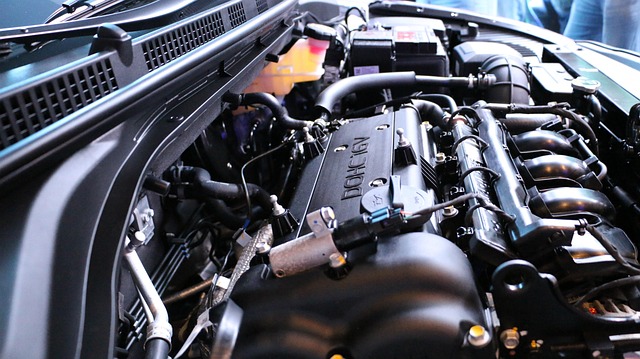
To complete the car registration process in California, you’ll need to follow a structured application procedure. Begin by gathering all necessary documents, including your vehicle’s registration certificate from the previous state, proof of insurance, and a valid driver’s license. Next, visit the California Department of Motor Vehicles (DMV) website to access their online forms or download the appropriate paperwork. Fill out the application accurately, providing detailed information about your vehicle, such as the make, model, year, and Vehicle Identification Number (VIN). The VIN is crucial for verification purposes; ensure its accuracy by using a mobile VIN verifier for a quick inspection.
Once your application is ready, submit it along with the required fees. You can typically do this in-person at a DMV field office or by mail. If opting for in-person submission, expect to wait, as busy periods may result in longer processing times. Alternatively, consider utilizing mobile VIN verification services during this stage to streamline the process and reduce potential errors related to manual entry. After your application is processed, you’ll receive notification regarding any additional requirements or issues found during VIN verification.
If all information is correct and complete, your car will be registered, and you’ll obtain the necessary documents, including a new registration certificate and license plate. Always keep these documents secure and up-to-date to avoid future inconveniences. Regularly inspecting and maintaining your vehicle’s records, especially through mobile VIN verification 1-2 times annually, can help ensure compliance with California’s regulations.
Understand Vehicle Identification Number (VIN) Verification Requirements

When registering your car in California, understanding Vehicle Identification Number (VIN) verification requirements is crucial. The VIN is a unique code imprinted on every vehicle, serving as its fingerprint. It’s critical for authenticating vehicle history and ensuring compliance with state regulations. California requires a comprehensive VIN verification process, which includes checking the vehicle’s integrity, origin, and potential odometer rollback.
A key aspect of this process involves utilizing mobile VIN verifiers or mobile VIN inspection services. These tools enable you to validate the VIN data directly at the registration center or even before purchasing a used car. By scanning the VIN, these services can provide instant access to detailed vehicle history reports, including accident records, ownership changes, and service maintenance logs. For instance, a recent study found that up to 10% of vehicles in California may have questionable odometer readings, underscoring the importance of accurate VIN verification.
To ensure a smooth registration experience, consider employing a mobile VIN verifier as part of your preparation. Not only does this streamline the process, but it also enhances the accuracy and reliability of your vehicle’s record. Remember, a legitimate VIN verification is not just about meeting legal requirements; it’s about protecting yourself from potential frauds and ensuring you’re making an informed decision when purchasing or registering a vehicle in California.
Finalize and Obtain Your California Registration Certificate

After completing the necessary forms and gathering all required documents, the next step in registering your car in California is to finalize and obtain your registration certificate. This process involves a crucial element known as Vehicle Identification Number (VIN) verification, ensuring that your vehicle meets all legal standards before issuing a registration. In California, VIN inspection can be conducted at designated DMV locations or through mobile vin verification services.
For a seamless experience, consider utilizing certified mobile vin inspection services. These professionals bring the inspection to you, saving time and effort. They employ advanced technology to perform a comprehensive VIN check, which includes cross-referencing your vehicle’s unique identifier against state and federal databases. This method enhances accuracy and efficiency compared to traditional stationary inspections. For instance, according to recent data, mobile vin verification services can complete an inspection in as little as 15 minutes, significantly reducing wait times at DMV offices.
Once your VIN has been verified, the California Department of Motor Vehicles (DMV) will issue your registration certificate. This document is proof that your vehicle complies with all regulations and standards for roadworthiness. Keep it handy, as you’ll need to present it upon request from law enforcement or when dealing with insurance companies. Remember, proper documentation and VIN verification are not just formalities; they play a vital role in ensuring safe and responsible ownership, contributing to the overall safety of California’s roads and highways.
By meticulously preparing the necessary documents, visiting your local California DMV, completing a straightforward application process, and understanding the crucial role of VIN verification, you can seamlessly register your car in California. This article has guided you through each step, ensuring you’re equipped with the knowledge to navigate the registration process efficiently. Now, armed with these insights, you’re ready to finalize your vehicle’s registration, making it legal to hit the California roads. Remember, accurate VIN verification is essential for a successful registration, so ensure this critical detail is accurate and accessible.