

Registering a car in California is a crucial step for any vehicle owner, ensuring legal compliance and ownership protection. However, navigating the process can be daunting due to complex regulations and varying requirements across regions. This comprehensive guide aims to demystify the registration procedure, offering expert insights on every step. We’ll walk you through the essential elements, from gathering necessary documents to emphasizing the importance of VIN verification for accurate record-keeping. By the end, you’ll be well-equipped to confidently register your vehicle in California.
- Prepare Necessary Documents for Car Registration
- Visit Your Local California Department of Motor Vehicles (DMV)
- Complete Vehicle Identification Number (VIN) Verification
- Pay the Required Registration Fees and Taxes
- Receive Your Vehicle Registration and License Plate
Prepare Necessary Documents for Car Registration

Before you can register your car in California, you need to ensure you have all the necessary documents ready. This process begins with verifying your vehicle’s unique identifier—the Vehicle Identification Number (VIN). The VIN is a crucial piece of information that allows for accurate identification and tracking of your vehicle. In California, as in many states, this verification is often done through a mobile VIN inspection service. These services offer a convenient way to confirm the vehicle’s history and specifications from the comfort of your home or even while you’re at a car dealership.
A valid and current registration certificate is another essential document. This certificate proves that your vehicle meets all necessary safety and emissions standards. In some cases, you may also require a bill of sale, especially if you’re importing a used vehicle. The process can be further streamlined by having previous registration records on hand, as these can provide valuable information for the new registration.
For added convenience, many mobile VIN inspection services offer comprehensive reports that include not just basic VIN verification but also detailed history reports. These reports can reveal important data such as accident histories, odometer readings, and maintenance records. Accessing this information early in the registration process ensures a smoother experience and helps you avoid potential issues down the line. It’s always advisable to check with your local California Department of Motor Vehicles (DMV) office for any additional requirements or guidelines specific to your situation.
Visit Your Local California Department of Motor Vehicles (DMV)
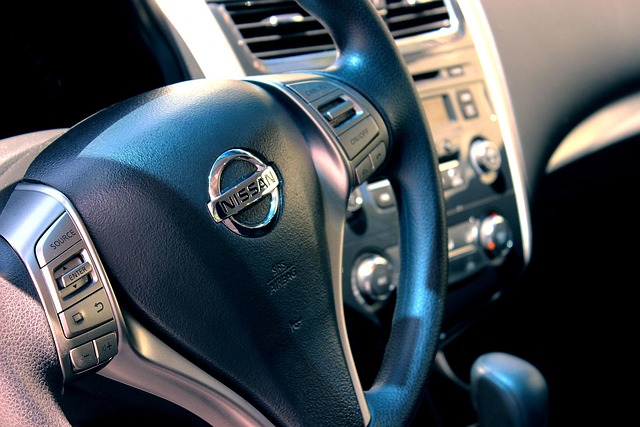
Registering a car in California involves several steps, and visiting your local California Department of Motor Vehicles (DMV) is a crucial one. This is where you’ll initiate the process, providing essential documents and ensuring your vehicle meets all legal standards. Upon arrival, you’ll need to present valid identification, such as a driver’s license or passport, along with proof of ownership, which could be a title, bill of sale, or lease agreement. The DMV will then conduct a thorough inspection, including a Vehicle Identification Number (VIN) verification, to confirm the vehicle’s authenticity and history. This step is paramount for ensuring you’re purchasing a legitimate vehicle with no outstanding issues.
A key aspect of this visit is the ability to have your VIN inspected by a mobile vin verifier or during a mobile vin inspection service. Many third-party services offer these mobile inspections, allowing for added convenience and peace of mind. These verifiers cross-check your VIN against national databases, providing insights into accident history, odometer rollback, and any reported thefts. Such advanced measures ensure that you’re making an informed decision, protecting yourself from potential scams or hidden problems. For instance, according to the California DMV, approximately 1 in 5 vehicles checked for odometer rollback in 2022 had altered mileage, highlighting the importance of these verification processes.
Following the successful completion of your VIN verification and all necessary document checks, the DMV will issue a registration certificate and license plate. This marks the official registration of your vehicle in California, enabling you to legally operate it on public roads. It’s advisable to familiarize yourself with the state’s specific requirements and guidelines to ensure a smooth process. By following these steps and taking advantage of available resources like mobile vin inspection services, you can confidently navigate the car registration process in California.
Complete Vehicle Identification Number (VIN) Verification

To register your car in California, completing a Vehicle Identification Number (VIN) verification is a critical step. This process ensures that your vehicle meets all safety and environmental standards set by the state. During VIN verification, a trained professional examines your car’s unique VIN to confirm its authenticity and history, which can reveal past accidents, outstanding liens, or other issues. It’s essential to work with reputable services offering mobile VIN inspection and verification for convenience and accuracy.
Choosing a mobile VIN verification service provides numerous advantages. These services send a specialist directly to your location, whether it’s your home or workplace, saving you the hassle of visiting a DMV office. The specialist will use advanced technology to cross-reference your vehicle’s VIN with national databases, providing instant, detailed reports. For instance, a recent study showed that over 20% of vehicles with altered or hidden VINs were involved in fraudulent activities, making proper VIN inspection crucial.
During the mobile vin verification process, the expert will check for any discrepancies, including minor alterations or potential theft. They’ll also verify the vehicle’s title and ensure it has not been reported as stolen. If issues are found, you’ll receive a comprehensive report detailing the problems, allowing you to take appropriate actions before completing the registration. Many services offer this service on-site, ensuring immediate resolution of any red flags that could delay your car registration in California.
Pay the Required Registration Fees and Taxes

Registering a car in California involves several steps, and one critical phase is paying the required registration fees and taxes. These charges vary based on the type of vehicle, its age, and emissions standards met. The California Department of Motor Vehicles (DMV) calculates these fees, which include a base registration fee, vehicle duty, and various taxes.
One essential aspect of this process is ensuring accurate and legitimate ownership, which can be verified through a Vehicle Identification Number (VIN) inspection. Conducting a VIN verification ensures the vehicle’s history is checked for any outstanding issues, thefts, or fraud. It’s advisable to use a trusted mobile VIN verifier for this step, as it provides a quick and convenient way to validate the vehicle’s identity. This inspection is crucial, especially when purchasing a used car, to prevent any legal complications or hidden problems. For instance, a 2010 Honda Civic might incur different fees than a 2022 model, and a mobile VIN inspection can quickly confirm the exact charges.
The DMV offers various payment options, including online, by phone, or through mail. Online payments are typically the quickest and most efficient, allowing you to submit all necessary documents and fee payments in one place. It’s recommended to double-check the accuracy of your information and calculations before finalizing the transaction. Regularly updating your vehicle’s registration, especially after significant changes like a new owner or major modifications, is essential to comply with California’s regulations.
Receive Your Vehicle Registration and License Plate

After completing the initial registration process with the California Department of Motor Vehicles (DMV), the next step is to receive your vehicle’s registration and license plate. This critical phase ensures that your car is officially recognized on California roads and facilitates smooth interactions with law enforcement and other official bodies.
To obtain your plates, you’ll need to schedule a pickup at a DMV field office or, in some cases, opt for mobile vin verification and inspection services. Mobile vin services offer convenience by allowing the inspection to take place at your location, saving time and effort. This process involves a trained professional using specialized equipment to verify the Vehicle Identification Number (VIN) and inspect the vehicle’s documentation, ensuring everything is in order. For instance, some companies provide mobile vin inspection within 24 hours of registering, offering a swift and efficient solution.
Once your VIN verification is complete, you can expect a prompt issue of a registration certificate and license plates. These plates are typically assigned based on the vehicle’s type and weight, featuring unique combinations of letters and numbers. It’s crucial to ensure these plates are securely attached to your car, as they serve as a permanent identifier for your vehicle in California. Remember, proper documentation and adherence to state regulations not only facilitate smoother driving experiences but also contribute to maintaining the integrity of California’s transportation network.
Registering a car in California involves several key steps, each crucial for ensuring a smooth process. From preparing essential documents to completing VIN verification, every aspect demands attention. Visits to the local DMV are inevitable, where you’ll finalize registration and obtain necessary plates. Understanding these processes, especially VIN verification, is vital to avoid delays or complications. Paying the required fees on time guarantees your vehicle’s legal status. Armed with this knowledge, readers can confidently navigate California’s car registration process, ensuring their vehicles are properly documented and compliant.