

Registering a car in California is a vital step for any new vehicle owner, ensuring legal compliance and providing key protections. However, navigating the process can be challenging, with its unique requirements and paperwork. This comprehensive guide aims to demystify the registration journey, offering expert insights tailored specifically to California’s regulations. We’ll detail each crucial step, from gathering essential documents to utilizing reliable VIN verifiers, ensuring a seamless and stress-free experience for all vehicle owners.
- Prepare Necessary Documents for Car Registration
- Visit Your Local California Department of Motor Vehicles (DMV)
- Verify Vehicle Identification Number (VIN) with a Trusted Service
- Complete the Registration Application Form Accurately
- Pay Registration Fees and Receive Your Certificate of Registration
Prepare Necessary Documents for Car Registration

Before you begin the car registration process in California, it’s crucial to prepare all necessary documents. Central to this is ensuring your Vehicle Identification Number (VIN) is accurate and verified. Utilize a mobile VIN verifier or conduct a mobile VIN verification to check the vehicle’s history, including any accidents or outstanding issues, which can save time and money in the long run. This step is vital as California’s Department of Motor Vehicles (DMV) relies on accurate VIN data for registration and title issuance.
Gathering required documents involves more than just your car’s VIN. You’ll need a completed DMV Form 137 (Application for Title and Registration), which requires details like the vehicle’s make, model, year, and current odometer reading. Additionally, proof of insurance, a valid driver’s license, and registration fees are essential. If you’ve recently purchased the vehicle, ensure you have the bill of sale or purchase agreement as well. Some out-of-state buyers might require an Interstate Vehicle Registration Form (Form I-123) to complete their California registration.
A practical tip is to create a checklist of these documents before visiting the DMV or utilizing online services. This proactive approach ensures you won’t be deterred from completing the registration process due to missing paperwork. Moreover, consider using a mobile VIN inspection app to verify your vehicle’s details prior to applying for registration, as this can streamline the entire procedure.
Visit Your Local California Department of Motor Vehicles (DMV)
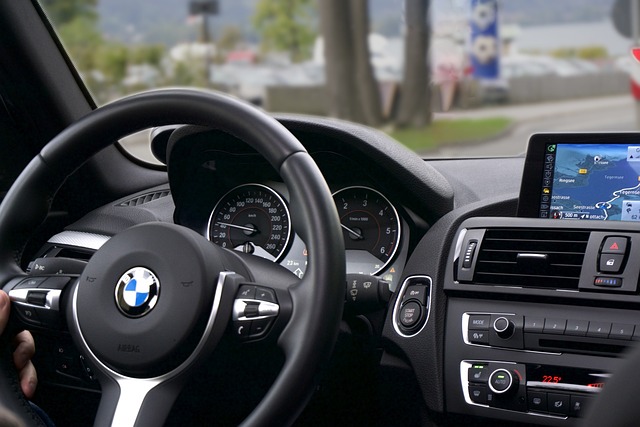
Registering a car in California involves several steps, but visiting your local California Department of Motor Vehicles (DMV) office is a crucial first step. Here, you’ll initiate the process, ensuring your vehicle meets all legal requirements before hitting the road. The DMV will conduct a comprehensive VIN inspection to verify the vehicle’s identity and history, checking for any outstanding issues or recalls using advanced tools and databases. This includes cross-referencing with national and local records, allowing them to confirm ownership, insurance status, and emission compliance.
While traditional in-person visits are still common, the DMV offers convenient alternatives like mobile VIN verification services. These solutions enable you to get a head start by providing a preliminary check using your vehicle’s unique 17-digit Vehicle Identification Number (VIN). Many apps or online platforms facilitate this, allowing you to share your VIN securely for remote inspection by a professional. For instance, some providers can perform a mobile VIN verifier scan in minutes, ensuring your car is roadworthy before you even step into the DMV.
During your visit, be prepared to present essential documents, such as proof of identification, ownership, and insurance. The DMV staff will guide you through any discrepancies or additional requirements, ensuring a smooth registration process. Remember, adhering to these procedures not only legally registers your vehicle but also plays a vital role in maintaining California’s robust road safety standards.
Verify Vehicle Identification Number (VIN) with a Trusted Service

Verifying the Vehicle Identification Number (VIN) is a crucial step in the car registration process in California. This unique 17-character code acts as a digital fingerprint for your vehicle, offering essential information about its make, model, year, and production history. To ensure the accuracy of your registration, it’s critical to utilize a trusted VIN verifier.
There are numerous services available that provide mobile VIN verification and inspection, allowing you to check the VIN’s validity and history right from your smartphone or computer. These tools cross-reference the VIN with vast databases to uncover detailed information about previous ownership, accident reports, outstanding loans, and recall notices. For instance, a 2015 study by the California Department of Motor Vehicles (DMV) revealed that nearly 10% of vehicles with suspected fraudulent registrations were identified through VIN verification services.
When selecting a VIN verifier, look for reputable companies offering both online and mobile options. Services like Carfax and AutoCheck are widely recognized for their comprehensive databases and user-friendly interfaces. Additionally, some auto repair shops and dealerships may offer this service as part of their expertise. Always ensure the service provider is licensed and insured, safeguarding you against potential issues. Regularly updating your VIN records during ownership changes is not just a legal requirement but also a prudent step to protect yourself from fraudulent activities associated with vehicle identification numbers.
Complete the Registration Application Form Accurately

To register your car in California, accurately completing the Registration Application Form is a crucial step. This form demands meticulous attention to detail, especially when it comes to entering your vehicle’s unique identification number (VIN). Using a VIN verifier, whether through online platforms or mobile applications, ensures you input the correct information, streamlining the registration process. For instance, many California Department of Motor Vehicles (DMV) approved mobile VIN verification services allow you to simply scan your car’s VIN plate using your smartphone camera.
Accurately recording your vehicle’s history is paramount. Incorrectly entering data can lead to delays or even rejection of your application. It’s advisable to cross-verify the VIN using a reliable mobile VIN inspection tool before filling out the form. These tools not only confirm the VIN accuracy but also provide crucial vehicle information, including model year, make, and any historical damage reports, giving you an upper hand during the registration process. Consider using official apps or services backed by the DMV to ensure compliance with their standards and data security.
Before submitting your application, double-check all entered details, including your personal information and vehicle specifications. Inaccurate VIN input is a common error that can be easily avoided through proper use of mobile VIN verifiers. Remember, even minor discrepancies might necessitate further scrutiny by DMV officials, potentially causing delays. To ensure a smooth registration experience, prioritize accuracy from the start.
Pay Registration Fees and Receive Your Certificate of Registration

After gathering all your necessary documents, it’s time to move forward with registering your car in California. The next crucial step involves paying the registration fees and obtaining your Certificate of Registration (CR). This process is straightforward but requires careful attention to detail. Start by visiting the California Department of Motor Vehicles (DMV) website to calculate the exact fee for your vehicle based on factors like make, model year, and weight. You can also opt for a renewalan online, which often comes with a slight discount compared to in-person payments. Once you’ve confirmed the fee amount, you’ll need to process the payment using a valid method, typically a credit card or debit card.
Upon successful payment, the DMV will generate your Certificate of Registration electronically. This digital certificate is legally binding and includes critical information such as your Vehicle Identification Number (VIN), which serves as a unique identifier for your car. Here’s where mobile VIN inspection and verification tools can come in handy; these apps allow you to quickly and conveniently verify your vehicle’s history using just your smartphone, ensuring the CR details are accurate and reliable. For instance, many mobile VIN verifiers can pull up detailed vehicle histories, collision reports, and recall information straight from the source, enhancing transparency throughout the registration process.
Before finalizing, double-check that all the information on your CR matches your records and the vehicle itself. Once confirmed, you’ll receive your official Certificate of Registration, either digitally or through mail delivery, depending on your preference during the online renewal process. Keep this document secure as it’s essential for future car transactions and legal purposes in California.
By meticulously preparing the required documents, visiting your local California DMV, verifying the Vehicle Identification Number (VIN) with a trusted service, accurately completing the registration application form, paying the necessary fees, and receiving your Certificate of Registration, you’ve navigated the process of registering your car in California effectively. These steps ensure not only compliance but also peace of mind knowing that your vehicle is legally recognized and insured. Next, consider regular maintenance and keep your documentation up-to-date to maximize the benefits of a seamless registration experience, aided by a reliable VIN verifier.